Table Of Content

Organic and nature-inspired elements like vines, feathers, and flowers will add to the overall Art Nouveau look. The leading Austrian Art journal at the time, Ver Sacrum, gave Moser a platform to feature his works. His work was inspired by Greek and Roman art and architecture which incorporated Art Nouveau techniques such as the use of the whiplash and intricate motifs. It featured a multitude of colors, a high level of detail, very few text, and large decorative illustrations.
Artist or Maker
Art Nouveau Movement (1890-1910), Explained - Indonesia Design
Art Nouveau Movement (1890- , Explained.
Posted: Tue, 14 Apr 2020 07:00:00 GMT [source]
Whether it’s for making decorative borders for a wedding invitation or when designing the header for a formal document. The term Art Nouveau was first seen in a Belgian journal called L’Art Moderne which aimed to bring reform through art. Since the style developed into an international style, its naming varied from country to country. Women in Art Nouveau were often depicted with a sense of eroticism and other disciplines used sensual curved shapes and round forms to symbolise the body. The Secession journal Ver Sacrum was a showcase the graphics of Koloman Moser and other Vienna designers.
Artworks and Artists of Art Nouveau
Sarah Bernhardt, an actress and sculptor, and Loie Fuller, a pioneering choreographer of the 20th century, epitomize this era. William Morris (1834–1896), an English author, designer, architect, and socialist, was the movement’s central figure. Morris looked back to the community norms of the medieval age as an alternative to the filthy production standards and dehumanizing characteristics of Victorian capitalism. Morris inspired many Art Nouveau designers because of his dedication to artisanal production and his use of stylized floral and organic patterns. The US-American Ethel Reed was among the few woman poster artists to achieve international fame. During the mid-1890s, she designed advertising posters for various publishing houses.
Architecture
He was instrumental in introducing the movement to America, helping to popularize it through his designs and inspiring others to adopt a similar aesthetic. Klimt’s work is defined by the exquisite gold or colored embellishment, often in the form of a phallus, which covers the more sensual aspects of the sketches on which many of his paintings are based. This is seen in Judith I (1901), The Kiss (1907–1908), and particularly Dana (1907). The domineering lady, or femme fatale, was one of Klimt’s most often recurring subjects. Art historians identify Egyptian, Minoan, Classical Greek, and Byzantine influences as having contributed to Klimt’s distinctive style.
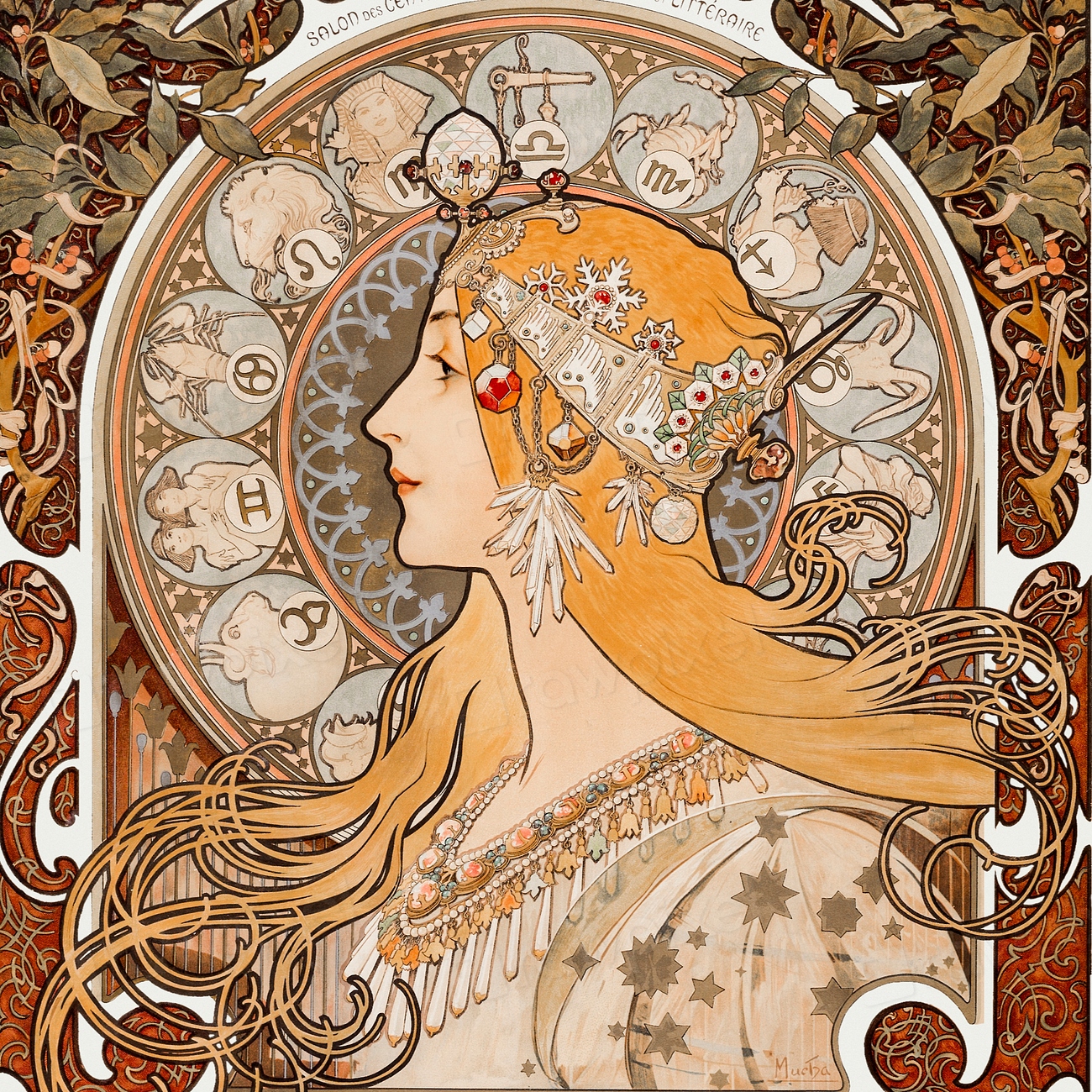
Look to the Greats for Art Nouveau Style Inspiration
In this sense, furniture design dominated, especially in the fabrication of carved wood with sharp, asymmetrical forms, often made by hand but rarely by machine. Beds, chaises, dining room tables and chairs, armoires, sideboards, and lamp stands were only a few of the items produced by furniture producers for every possible use. The designs’ sinuous curves were frequently permanently installed as wall paneling and molding, often utilizing the wood’s inherent grain. In his short career, the English artist Aubrey Beardsley, regarded as the most divisive representative of Art Nouveau owing to his fusion of the sexual and the macabre, produced a series of posters that used beautiful rhythmic lines. The Peacock Skirt (1893), one of Beardsley’s most colorful works, is the most obvious example of a Japonism/Ukiyo-e print that combines decadence with simplicity. Peter Behrens designed this symbolically-charged exhibition poster for the artist’s colony on the Mathildenhöhe in Darmstadt.
Art Nouveau shone a light on artists of all disciplines and appreciated the vast array of artwork. Art Nouveau rose to prominence at the same time that retailing expanded to attract a truly mass audience. It was featured prominently by many of the major urban department stores established during the late-19th century, including La Samaritaine in Paris, Wertheim's in Berlin, and the Magasins Reunis in Nancy. His was far from the only store in the city to specialize in Art Nouveau interiors and furniture. This is the centerpiece of the new Darmstadt Artists Colony (Kunstlerkolonie), formed in 1899 under the patronage of Grand Duke Ernst Ludwig of Hesse, an admirer of the Arts & Crafts movement. Olbrich, one of the Colony's founding artists, whom the Duke poached from the Vienna Secession.

As a consequence, it has a number of different aliases, including Jugendstil and the Glasgow style. By rejecting the formerly trendy diverse blend of earlier styles, Art Nouveau artists aspired to modernize the design. Painting styles such as Post-Impressionism and Symbolism (the “Nabis”) shared close ties with Art Nouveau, and each was practiced by designers who adapted them for the applied arts, architecture, interior designs, furnishings, and patterns. They contributed to an overall expressiveness and the formation of a cohesive style (64.148). From the 1880s until the First World War, western Europe and the United States witnessed the development of Art Nouveau (“New Art”). Taking inspiration from the unruly aspects of the natural world, Art Nouveau influenced art and architecture especially in the applied arts, graphic work, and illustration.
Gustav Klimt, unlike Beardsley, is noted for his extensive use of gold leaf, usually in combination with a kaleidoscope of other vivid colors, particularly in his post-1900 works. The leaded glass shade of the lamp seems to resemble the wisteria branches at its top when lighted. The screens of nearly 2,000 painstakingly chosen pieces of glass provide a warm, but soft illumination, giving the blooming flowers the illusion of water drops pouring. The sloping skylights that run the length of the back of the tower reveal its role as one of the few Art Nouveau structures constructed primarily for studio space, and it was the focal point of the Darmstadt group’s first exhibition in 1901. Despite the fact that the Colony only existed until the onset of World War I in 1914, the facility now functions as a museum dedicated to its artistic accomplishments.
11 memorable graphic design projects by Milton Glaser - Dezeen
11 memorable graphic design projects by Milton Glaser.
Posted: Wed, 01 Jul 2020 07:00:00 GMT [source]
Art Nouveau’s Impact on Graphic Design
The program’s curriculum is based on the Institute’s critical approach of contextualizing praxis in history, theory and broad cultural literacy, and in the Graphic Design program’s inclusive pedagogy. We aim to educate the whole student through focused metier coursework, engaged mentorship, robust critique, cross-disciplinary exploration, and fearless making in a vibrant, intimate studio community. During the 19th century, one by-product of industrialism was a decline in the quality of book design and production.
With this being said, tapping into your creative side can be a great outlet for stress and anxiety during these trying times. One of the key elements in achieving these goals is developing and implementing effective learning objectives.... If you’re looking to take your blog photos to the next level, you’ve come to the right place. We’re going to be breaking down what exactly PhotoVibrance (sometimes called Vibrance or Photo Vibrance) is, our personal experience with it and where you yourself can get...
Art Nouveau highlighted curvaceous lines, often inspired by plants and flowers, as well as geometric patterns. Art Deco was a sprawling design sensibility that wound its way through numerous early 20th Century art and design forms, from fine art and architecture to fashion and furniture, as well as everyday appliances and even modes of transportation. Louis Comfort Tiffany, one of America’s most renowned painters, revolutionized the manufacture of stained glass and combined it into inventive patterns and odd decorative objects. This helped to revitalize an industry that had altered little since the Middle Ages.
Flowing lines and forms intended to evoke natural components like flowers, vines, and leaves characterize the Art Nouveau style. Decadence questioned Victorian society’s fundamental beliefs and ideals by valuing refinement and artificiality and establishing a specific interest in the sexual and perverse. The Peacock Skirt is a wonderful example of early Art Nouveau because it combines this quality with arabesque lines, rigorous two-dimensionality, and colorful motifs. Tiffany thought nature should be the primary source of creative inspiration, and most of his works depict landscapes, plants, or animals. Tiffany’s affinity for the natural world and desire to incorporate new technologies into his designs aligned him closely with Art Nouveau.
Even in the United States, the vegetal forms adorning Louis Sullivan's skyscrapers like the Wainwright Building and Chicago Stock Exchange are often counted among the best examples of Art Nouveau's wide architectural scope. In addition to the graphic and visual arts, any serious discussion of Art Nouveau must consider architecture and the vast influence this had on European culture. In architecture especially, Art Nouveau was showcased in a wide variety of idioms. The French ceramicist Alexandre Bigot, for example, made his name largely through the production of terracotta ornament for the facades and fireplaces of Parisian residences and apartment buildings. Other Art Nouveau structures, particularly in France and Belgium (Hector Guimard and Victor Horta were important practitioners), show off the technological possibilities of an iron structure joined by glass panels.
In his day, Klimt’s public paintings were met with a firestorm of criticism for their sensual subject matter, and the artist was even accused of obscenity for his efforts. The sexual hunger he has is fully expressed in his drawings, which are just as explicit. Byzantine borders, calligraphy, and frames complement Mucha’s organic, elaborate, elegant, and energetic style. Much like the haloes on the religious icons he observed as a child, his renowned “Mucha lady” figures featured curves, flowing hair, pastel robes, and frequently a halo of light or flowers. Mucha’s ladies are vibrant and full of life, and they are not an alluring but potentially lethal temptation.



No comments:
Post a Comment